

Household Organization for Busy Families
Simple systems for managing laundry, meals, chores, and household tasks when everyone's schedule is packed.
Why Organization Actually Matters
Let's be honest — when you've got kids, work, appointments, and everything else, your house doesn't organize itself. You're juggling too much. Laundry piles up. Meals get chaotic. Everyone's looking for clean socks at 7 AM.
The thing is, you don't need a perfect home. You need a system that works when life gets messy. We're talking about practical approaches that real families actually use — not magazine-worthy spaces, but functional ones that save you time and stress.
Small changes make a real difference. When everyone knows where things belong and what they're responsible for, the whole household runs smoother. Less searching. Fewer arguments about whose turn it is. More time for the stuff that matters.


The Kitchen System That Actually Works
Kitchen organization is the foundation. You're spending time here multiple times a day — breakfast, lunch, dinner prep, snacks. When it's chaotic, everything else feels harder.
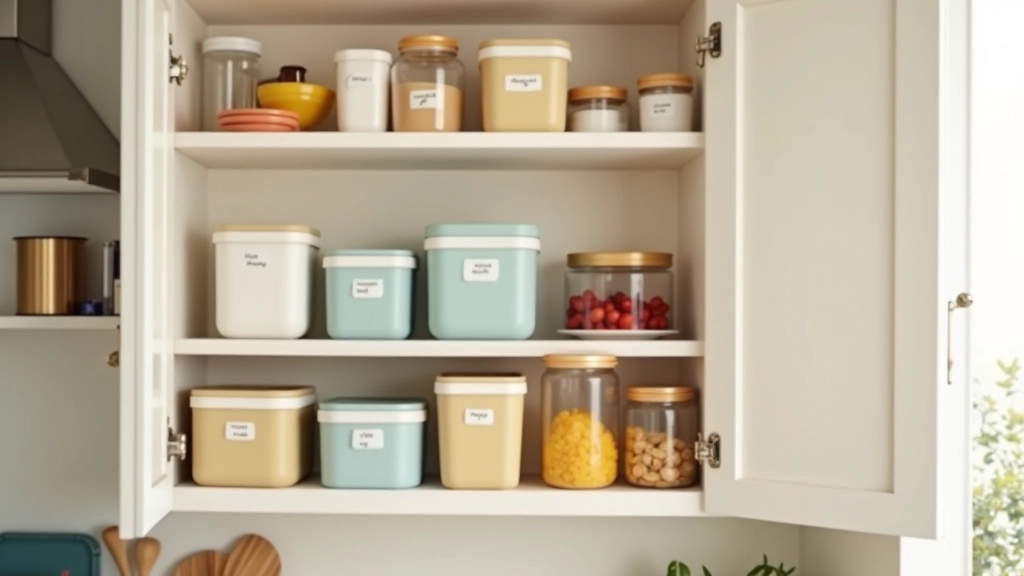
Start with containers. Clear ones. You'll know what you're running low on without opening everything. Label them — not fancy labels, just what's inside. Group similar items together: breakfast stuff, snack items, baking supplies. This takes maybe two hours total.
The freezer's your secret weapon. Batch cook on Sunday — make extra pasta sauce, shred chicken, prepare ground beef. Portion it out in containers. Now you've got three or four quick dinner options ready when you're exhausted. We're talking 30 minutes of cooking on one day instead of 30 minutes every single night.
Pro tip:
Create a meal planning sheet on the fridge. Sunday night, plan
out the week. Groceries get easier. You'll stop standing in
front of the fridge at 5 PM wondering what to make.
Laundry Doesn't Have to Be a Battle
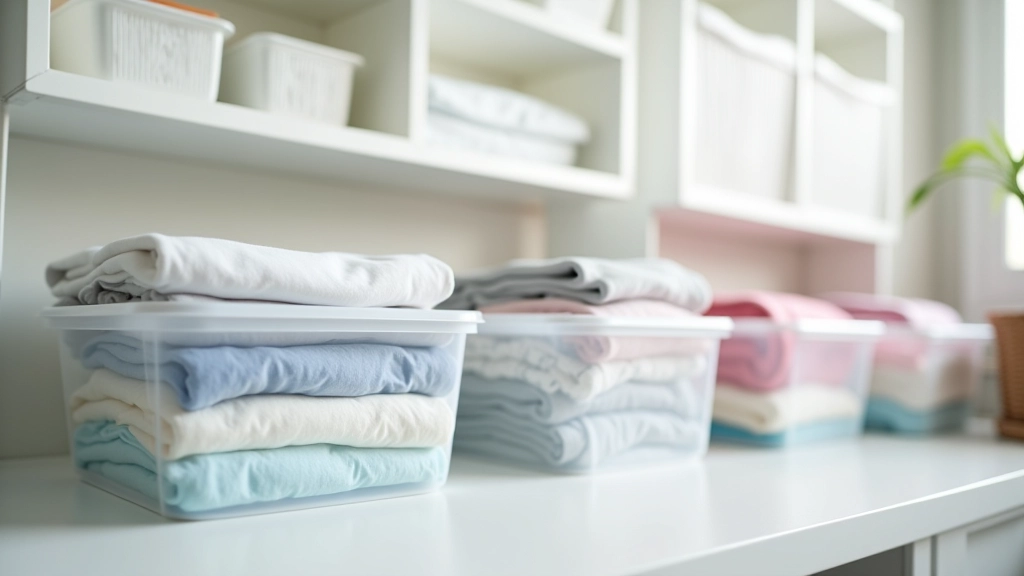
Laundry isn't actually hard — it's just relentless. Piles appear. Kids go through three outfits a day. Everyone needs socks. If you wait until you're completely out of clean clothes, you're doing 6+ loads at once.
Instead, run one load every single day. One. Not a huge chore, just part of the routine. Wash, dry, fold while you're watching something in the evening. Takes 20 minutes if you do it daily. Ignore it for a week and suddenly you're spending your Saturday buried in laundry.
Designate laundry days by person if you've got older kids — Monday's Sarah's day, Wednesday's Alex's day. They're old enough to help, and they'll actually care more about getting clean clothes when it's their responsibility. Teach them the machine. Show them once or twice. They'll figure it out.
For younger kids, color-coded hampers work great. Red hamper, blue hamper, white hamper. Everyone puts their dirty stuff in the right one. Makes sorting and washing automatic. Folding's still your job, but at least the sorting part is handled.
Chores: Making Everyone Responsible
Here's what doesn't work: doing everything yourself while everyone else just lives there. You'll burn out. What does work: everyone pitches in based on what they can actually do.
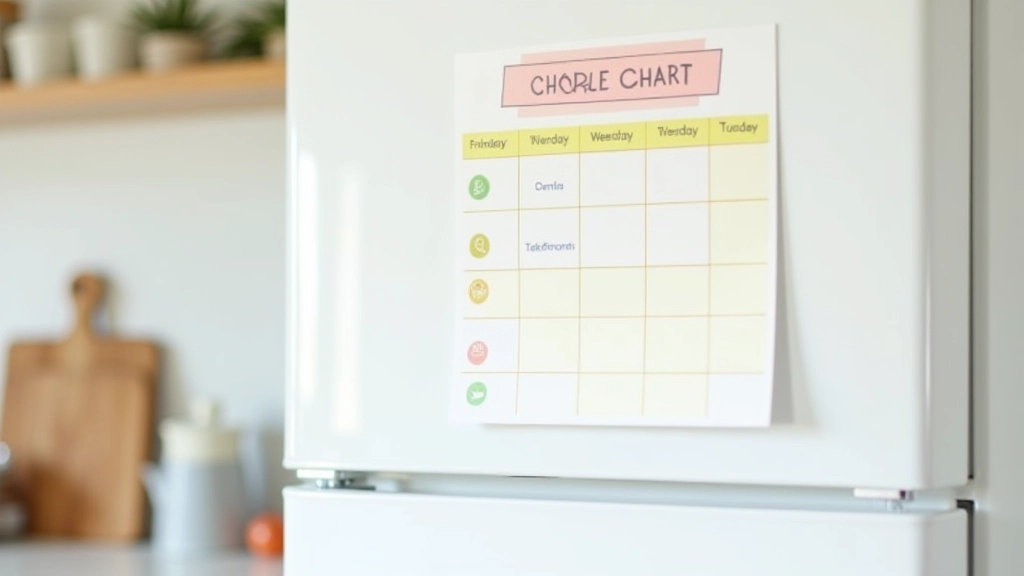
Make a chore chart. Sounds simple, but it's genuinely powerful. Kids as young as 4 or 5 can clear their plates. By 7 or 8, they're sweeping, feeding pets, loading the dishwasher. Teenagers can handle bathrooms, laundry, taking out trash. Adults manage the deeper stuff — deep cleaning, repairs, planning.
Rotate chores every month so nobody gets stuck with the same terrible task forever. Post the chart somewhere obvious — usually the fridge works. Update it in writing so there's no confusion about whose turn it is.
Don't expect perfection. Your 8-year-old's vacuuming job won't be perfect, but it'll be good enough. Your teenager won't clean the bathroom exactly how you'd do it. That's fine. The goal is getting help and teaching responsibility, not maintaining magazine standards.
Scheduling That Everyone Can Actually Follow
When you've got multiple kids with different activities, school schedules, work commitments, and elderly parents to check on, a shared calendar isn't optional — it's survival.
Use one central calendar. Not five different ones. One. Digital works best because everyone can access it from their phone. Google Calendar is free and does everything you need. Color-code by person: Mom's events in blue, Dad's in green, kids in different colors. School, sports, doctor appointments, work meetings — everything goes there.
Have a Sunday planning meeting. Fifteen minutes. Look at the week ahead. Who needs to be where and when? Who's cooking dinner those nights? Is someone picking up groceries? Does Grandma need a visit? Having this conversation once a week prevents the constant "Wait, I thought you were picking up Sarah" arguments.
Quick win: Set phone reminders for the things people always forget — soccer practice is today, someone needs to pick up milk, eldercare appointment is at 2 PM. Three minutes of setup saves hours of stress.

Making It Stick
Organization systems don't have to be complicated. They just need to be consistent. You don't need special products or apps or perfect labeling — you need habits.
Start with one area. Maybe it's the kitchen. Get that working smoothly. Then move to laundry. Then chores. Small wins build momentum. Your family will see that things are less stressful, and they'll actually cooperate because it's easier for them too.
The real goal isn't a perfectly organized home. It's a functioning one where everyone knows what's expected, responsibilities are clear, and you're not spending your evenings managing chaos. That's freedom. That's peace.
Ready to bring more structure to your household? Start with one system this week. Pick the area that causes the most stress — kitchen, laundry, or scheduling. Give it two weeks of consistent effort. You'll be surprised how much easier everything becomes.
Related Resources


Disclaimer
This article provides general information about household organization strategies for educational purposes. Every family's situation is different, and what works for one household may need adjustment for another. The suggestions here are based on common approaches families use, not professional advice. For specific concerns about childcare, eldercare, or family dynamics, consider consulting with relevant professionals. Always adapt these systems to fit your family's unique needs, abilities, and circumstances.